Strategic Insights into Storage and Warehouse Service in Delhi
Delhi stands as the commercial heart of India, serving as the primary gateway to the vast consumer markets of the northern region. As trade, e-commerce, manufacturing, and cross-border commerce continue to expand, the demand for high-caliber supply chain infrastructure has reached an unprecedented scale. In this high-density marketplace, securing an efficient storage and warehouse service in Delhi is no longer a simple real estate transaction-it is a core strategic lever that dictates fulfillment speed, inventory holding overhead, and overall customer satisfaction.
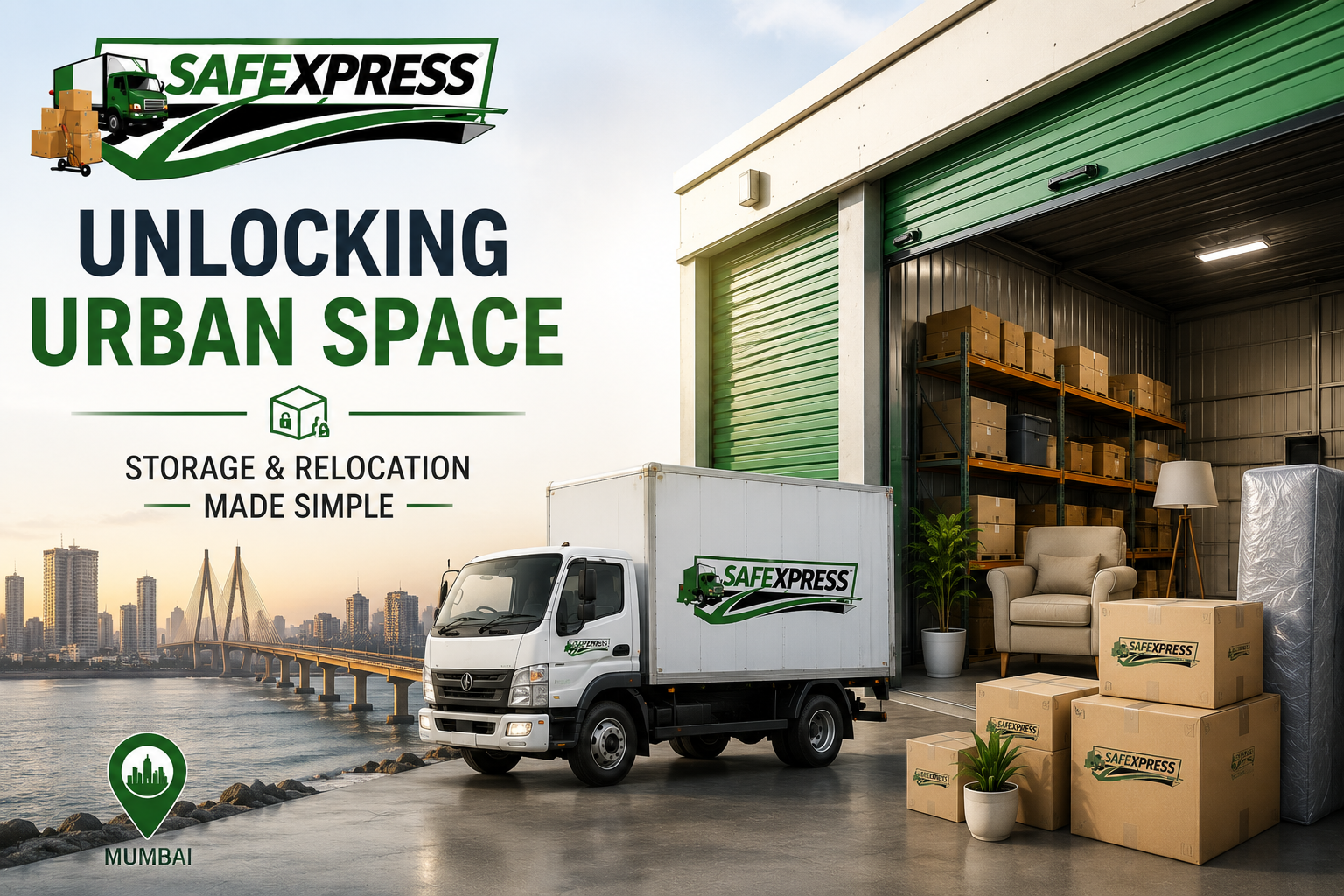
The geographical advantages of the national capital are unmatched. Intersected by major transit routes including National Highway 48 and National Highway 44, directly linked to the Delhi-Mumbai Industrial Corridor (DMIC), and supported by air cargo facilities at Indira Gandhi International Airport, Delhi bridges suppliers directly to millions of end-consumers across the Delhi NCR, Rajasthan, Punjab, Haryana, and Uttar Pradesh. Over recent years, warehousing in Delhi has undergone a massive structural transformation. The market has shifted rapidly away from unorganized, traditional godowns toward tech-enabled, Grade A logistical hubs engineered to international standards.
Key Industrial and Logistics Hubs Across the Capital
To capitalize on a storage and warehouse service in Delhi, organizations must understand the spatial dynamics of the city's key warehousing pockets. Different industrial clusters serve specific supply chain requirements, ranging from heavy manufacturing storage to rapid urban last-mile dispatch.
Okhla Industrial Area: Located strategically in South Delhi, Okhla offers immediate connectivity to high-income retail districts and corporate centers. It is highly sought after by electronics brands, high-value consumer goods, and fashion retailers requiring fast last-mile fulfillment.
Bawana and Narela: Situated along the northern perimeter, these DSIDC industrial parks are hubs for manufacturing, industrial components, plastics, and consumer goods. Facilities in these zones offer large footprints and heavy floor-load capacities suitable for raw material staging and factory outputs.
Mundka Corridor: Extending along West Delhi, Mundka has developed into a major cluster for third-party logistics (3PL) providers and consumer durables. Highway access makes it an ideal center for regional stock consolidation.
Alipur and GT Karnal Road: Positioned on the main northern highway connecting Delhi to Punjab and Haryana, this corridor hosts large-scale distribution centers, agricultural commodity storage, and FMCG staging grounds.
Naraina and Kapashera: Situated near central residential nodes and airport transit zones, these micro-hubs specialize in light storage, high-security cargo, and instant delivery dark stores serving central urban pockets.
Diverse Storage Solutions for Evolving Business Needs
Modern warehouse operations offer customized, multi-category solutions tailored to diverse commercial models and personal storage requirements.
Grade A Commercial Warehousing
Featuring high clear heights (typically 9 to 12 meters), heavy-load concrete flooring, dock levelers, and wide staging areas, Grade A facilities form the backbone of modern corporate logistics. These buildings accommodate tall, multi-tier racking systems, allowing companies to optimize vertical cubic volume rather than paying exclusively for ground surface area.
Cold Storage and Temperature-Controlled Units
Pharmaceutical products, medical devices, fresh produce, biological items, and specialized cosmetics demand strict temperature stability. Advanced providers of storage and warehouse service in Delhi offer multi-zone climate-controlled facilities-ranging from deep-freeze conditions (-20°C) to chilled ambient zones-supported by dual-generator power backup systems to ensure zero disruption to the cold chain.
E-Commerce Fulfillment and Micro-Warehousing
With quick-commerce models promising rapid delivery, proximity to urban centers is crucial. Urban micro-fulfillment centers hold fast-moving inventory closer to buyers, reducing last-mile dispatch times and lowering courier costs.
Urban Self-Storage and Household Storage
Storage services in Delhi are no longer restricted to large businesses. Individual self-storage solutions have grown rapidly. Homeowners undergoing renovations, individuals relocating abroad, or small enterprise owners needing flexible inventory space can rent secure, private storage units on short-term leases.
Third-Party Logistics (3PL) and On-Demand Services
Many companies choose to outsource their fulfillment operations entirely. 3PL services combine physical storage space with inbound receiving, inventory picking, packing, labeling, kitting, and outbound freight management, converting fixed operational costs into flexible variable expenses.
Technological and Security Innovations Shaping Delhi's Warehouses
Modern facilities in Delhi operate as tech-driven command centers designed to minimize inventory errors and accelerate processing speeds.
Warehouse Management Systems (WMS): Enterprise software coordinates operations from item dock-in to put-away, order picking, and dispatch. Barcode scanning and RFID integration maintain high inventory tracking accuracy.
Automated Material Handling: To speed up order turnover, modern warehouses integrate automated guided vehicles (AGVs), conveyor networks, and vertical lift modules.
Environmental Monitoring: Internet of Things (IoT) sensors track temperature, humidity, and airflow continuously, alerting operators instantly if environmental parameters drift.
Multi-Layered Security Infrastructure: Facilities feature 24/7 CCTV surveillance, biometric access gates, perimeter security, automatic sprinkler networks, and complete fire NOC compliance to protect inventory against theft and damage.
Essential Criteria for Selecting the Right Warehouse Partner
Choosing an unsuitable warehouse location or service provider can lead to fulfillment delays, inventory damage, or excessive freight costs. When choosing a storage and warehouse service in Delhi, evaluate these critical factors:
Proximity versus Base Rent: Outlying industrial corridors like Alipur offer lower per-square-foot rental rates, whereas central nodes like Okhla reduce final-delivery transit expenses. Always evaluate the total landed cost-including transportation overhead-rather than property rent alone.
Scalability and Contract Flexibility: Inventory volume frequently shifts during peak sales events like festive shopping seasons. Confirm that the provider offers flexible space allocation, allowing you to scale up square footage during high demand and scale back during slower months.
Structural Infrastructure: Inspect the facility’s physical layout firsthand. Ensure there is sufficient vehicle turning radius for multi-axle trucks, adequate loading bays, clear height for vertical stacking, proper ventilation, and covered loading zones for weather protection.
Regulatory Compliance: Confirm that the property holds valid fire safety certifications, building approvals, local trade licenses, and FSSAI registrations if handling food products.
Sustainable Practices and Vertical Expansion
As land availability within central Delhi becomes increasingly tight, the storage industry is adopting new architectural and environmental approaches. Multi-story vertical warehousing facilities featuring heavy-duty vehicular ramps and freight elevators are expanding across urban boundaries to maximize volumetric capacity per square meter.
Concurrently, green warehousing practices have become an operational standard. Facility developers across Delhi are incorporating rooftop solar installations, rainwater harvesting infrastructure, skylights for natural day-lighting, and energy-efficient LED fixtures. The integration of electric vehicle (EV) charging infrastructure within dispatch docks further supports sustainable, zero-emission urban distribution networks.
Building a Resilient Supply Chain in the Capital
Whether you are a global enterprise organizing regional distribution, a growing e-commerce merchant optimizing order fulfillment times, or an individual seeking secure household storage, partnering with a professional storage and warehouse service in Delhi provides a solid operational foundation. By matching your storage needs with modern facilities, strategically choosing your location corridor, and using advanced inventory tracking systems, you can establish an agile, cost-effective supply chain designed to succeed in Northern India’s core commercial market.

Comments
Post a Comment